Crafting Custom Blow Molded Containers for Every Need
Understanding the Custom Blow Molding Process
Overview of Blow Molding Techniques
Custom blow molding stands at the forefront of modern container manufacturing, leveraging various techniques to create highly specialized products. The process primarily involves three methods: extrusion blow molding, injection blow molding, and stretch blow molding. In extrusion blow molding, a tube of molten plastic, known as a parison, is extruded and then inflated into a mold cavity. This technique is prevalent for producing large containers, such as drums and tanks. Injection blow molding, on the other hand, combines injection molding and blow molding techniques to create precise, high-quality bottles. It begins with an injection-molded preform, which is then inflated into a mold. Stretch blow molding, often used for PET bottles, stretches the preform while blowing it up, enhancing the strength and clarity of the final product. Understanding these techniques allows manufacturers to select the most suitable method for their specific container requirements.
The Role of Molds in Custom Manufacturing
Molds play a crucial role in the custom blow molding process, serving as the blueprint for every container produced. Manufacturers utilize precision engineering to create molds that meet exact specifications, ensuring consistency and quality in production. Custom molds can be tailored to accommodate various shapes, sizes, and designs, making them essential for businesses aiming to differentiate their products in the market. The design phase involves collaboration between engineers and clients to conceptualize the perfect mold that aligns with branding and functionality. Once finalized, the mold undergoes fabrication, typically using durable materials such as steel or aluminum, to withstand the rigors of production. Advanced technology and skilled craftsmanship merge seamlessly in mold making, resulting in blow molded containers that fulfill diverse consumer needs.
Key Materials Used in Blow Molding
The choice of materials significantly impacts the performance and application of blow molded containers. Polyethylene (PE) and polypropylene (PP) are among the most commonly used polymers, thanks to their versatility, durability, and cost-effectiveness. High-density polyethylene (HDPE), in particular, excels in producing strong, lightweight containers ideal for packaging consumer products. For applications requiring enhanced clarity and strength, polyethylene terephthalate (PET) is favored, especially in the beverage industry. Additionally, manufacturers can explore innovative materials that offer sustainable alternatives, meeting the growing demand for eco-friendly packaging solutions. By selecting the right materials, companies not only enhance product integrity but also align with consumer expectations for quality and sustainability.
Applications of Custom Blow Molded Containers
Consumer Products: Bottles and Beyond
Custom blow molded containers dominate the consumer products sector, primarily through the production of various types of bottles. From cosmetic and pharmaceutical bottles to food and beverage packaging, these containers cater to a myriad of markets. The ability to create intricate designs and shapes allows brands to stand out on store shelves. Beyond bottles, companies also leverage custom blow molding to manufacture other essential items like toys, household containers, and specialized packaging solutions. The adaptability of blow molded products enhances usability and consumer appeal. As businesses strive to innovate and respond to market trends, custom blow molding offers the flexibility needed to introduce new products effectively and efficiently.
Agricultural Solutions: Adapting to Industry Needs
The agricultural industry benefits significantly from custom blow molded containers, which provide innovative solutions for a variety of applications. For instance, blow molded tanks and containers store fertilizers, pesticides, and other vital chemicals safely and efficiently. These containers are designed to withstand harsh environmental conditions and chemicals, ensuring long-lasting performance. Additionally, custom blow molding allows for the creation of specialized containers for seed and plant propagation, enhancing agricultural productivity. With the growing emphasis on sustainable practices, manufacturers can also explore eco-friendly materials and designs that minimize environmental impact while meeting the rigorous demands of agriculture.
Automotive and Heavy Industry Applications
In the automotive and heavy industry sectors, custom blow molded containers play a pivotal role. Manufacturers produce components like fuel tanks, air ducts, and various housing units that require both durability and precision. Blow molding's ability to create complex shapes and lightweight designs significantly contributes to reducing vehicle weight, enhancing fuel efficiency and performance. Additionally, the automotive industry increasingly demands innovative materials that can withstand extreme temperatures and harsh conditions, prompting manufacturers to refine their techniques and material choices. As these industries evolve, custom blow molded solutions remain at the forefront, addressing the needs of engineers and manufacturers alike.
The Advantages of Custom Blow Molding
Efficiency Through Automation in Manufacturing Plants
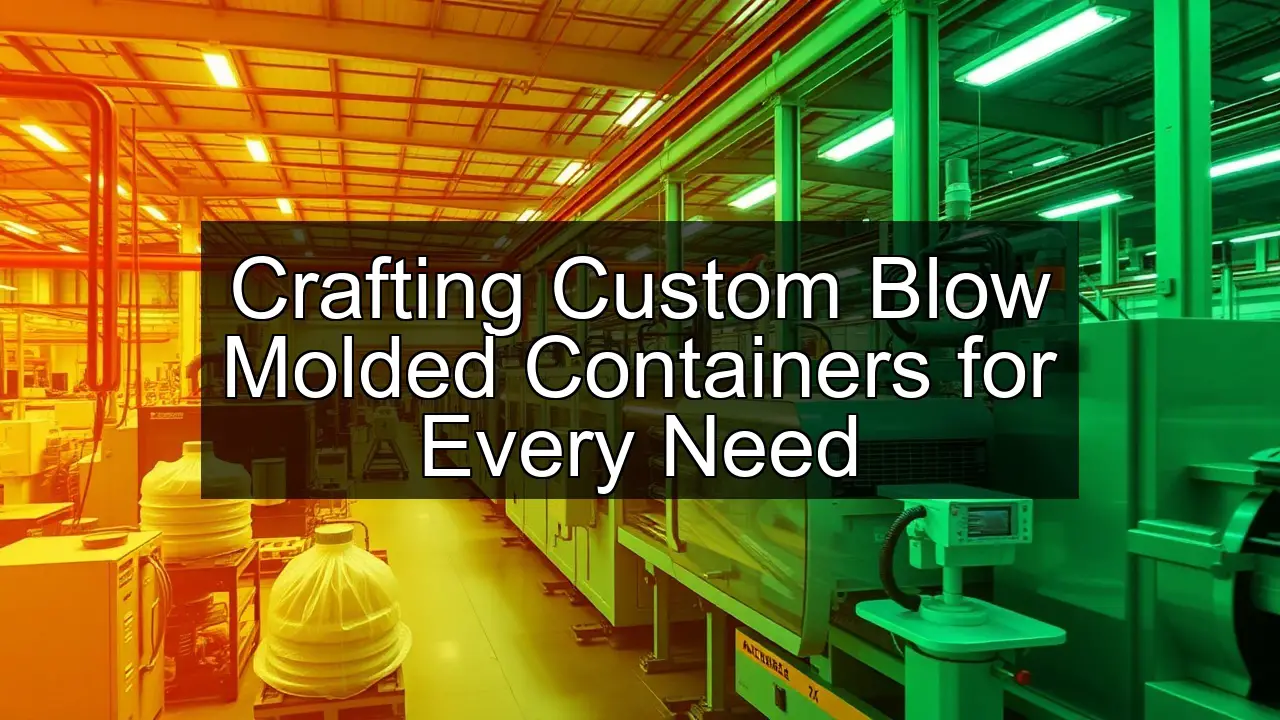
Custom blow molding enhances efficiency through advanced automation in manufacturing plants. Automated blow molding machines streamline production processes, allowing for higher output rates and reduced labor costs. These machines can operate continuously, producing large quantities of blow molded containers with minimal downtime. Automation also minimizes human error, ensuring consistent quality across products. Manufacturers can integrate sophisticated monitoring systems to track production metrics in real-time, leading to better resource allocation and decision-making. As competition increases in the manufacturing industry, leveraging automation in custom blow molding offers a significant advantage, enabling companies to meet market demands swiftly and efficiently.
Cost-Effectiveness and Supply Chain Management
The cost-effectiveness of custom blow molding stems from its efficient manufacturing processes and material usage. Producers can optimize designs to minimize waste while maximizing functionality, translating into lower production costs. Additionally, the ability to create large volumes of containers in a single run reduces the cost per unit. Effective supply chain management complements these advantages by ensuring timely delivery of components and finished products. Manufacturers can maintain tighter control over inventory, reducing holding costs and improving cash flow. With a focus on cost-efficiency, businesses can allocate resources strategically, enhancing overall operational performance and profitability.
Sustainability: Made in the USA and Eco-Friendly Options
Sustainability has become a critical consideration in the custom blow molding industry. Many manufacturers prioritize eco-friendly practices by using recyclable materials and sustainable production methods. The ability to produce containers using locally sourced materials, particularly in regions like the Midwest, supports the "Made in the USA" movement, appealing to environmentally conscious consumers. Innovations in material science allow manufacturers to explore biodegradable polymers and other sustainable options that minimize environmental impact. Companies that adopt these practices position themselves favorably in the market, aligning with consumer preferences for green products while contributing to a more sustainable future.
Choosing the Right Manufacturer for Your Blow Molded Needs
Evaluating Expertise: Experience in Custom Mold Making
Selecting the right manufacturer for custom blow molding requires careful evaluation of their expertise and experience. Look for companies with a proven track record in custom mold making, as this skill directly impacts the quality and precision of the final products. A manufacturer with extensive experience understands the nuances of design and production, ensuring that the molds produced meet rigorous industry standards. Engaging with manufacturers who invest in continuous improvement and training for their engineers fosters confidence in their ability to deliver high-quality blow molded containers tailored to specific needs. Ask for case studies or examples of previous work to assess their capabilities and suitability for your project.
Understanding Machinery and Technology in Blow Molding
A deep understanding of the machinery and technology used in blow molding significantly influences the quality of the products. Manufacturers should utilize state-of-the-art machines equipped with advanced features that enhance precision and efficiency. Inquire about the types of blow molding machines they employ and their capacity for customization. Companies that stay abreast of technological advancements tend to deliver superior results in terms of product performance and manufacturing speed. Additionally, the integration of automation and data analytics can streamline processes further, ensuring consistent quality and reliability in production. Understanding these technological aspects will guide you in selecting a manufacturer capable of meeting your expectations.
Navigating the Midwest Manufacturing Landscape
The Midwest stands as a hub for manufacturing, boasting a rich ecosystem of companies specializing in custom blow molding. When exploring potential manufacturers, consider their geographical location and proximity to your operations. Local partnerships facilitate quicker lead times and reduce shipping costs, enhancing overall supply chain efficiency. Moreover, manufacturers in this region often have established relationships with suppliers, ensuring a consistent flow of high-quality materials. Researching the Midwest manufacturing landscape enables you to identify companies that align with your values and operational goals, helping you forge partnerships that propel your business forward.