Hydraulic Press Innovations Driving Efficiency in Aerospace Manufacturing
The Role of Hydraulic Press Innovations in Aerospace Manufacturing
Overview of Hydraulic Press Technology
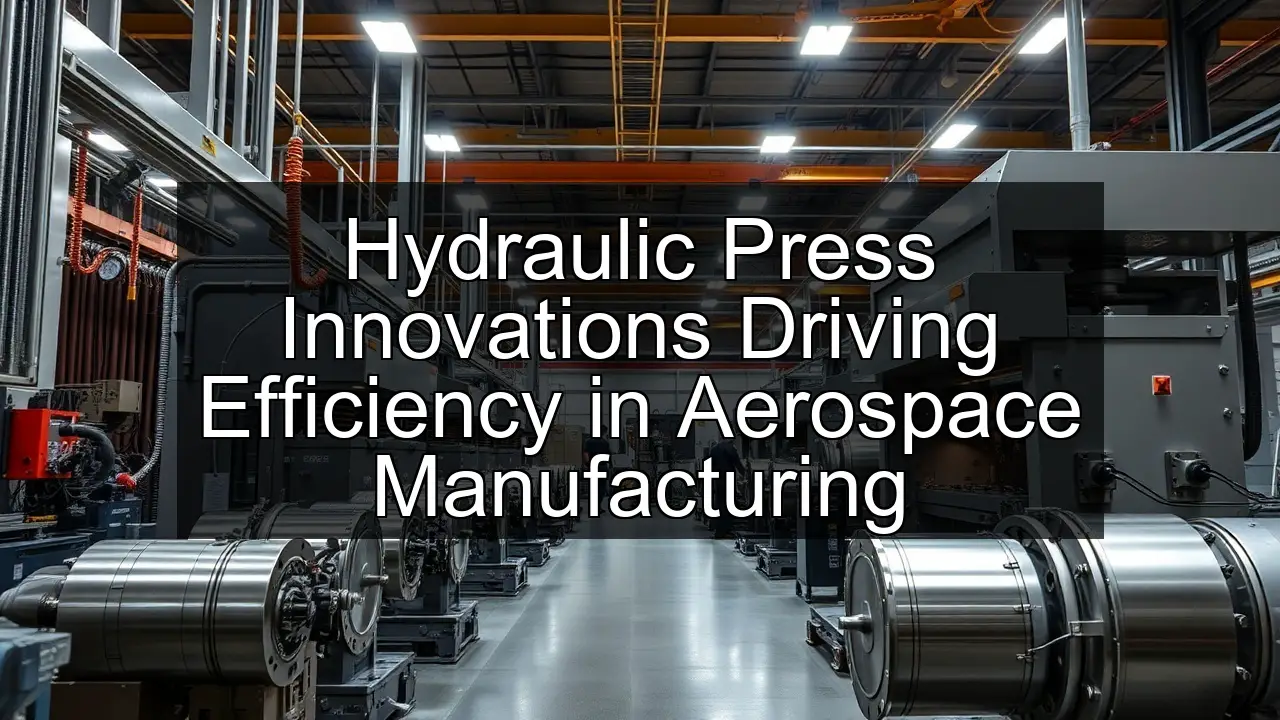
Hydraulic presses form the backbone of modern aerospace manufacturing, applying immense force to shape metals and composites with precision. Engineers design these machines to handle pressures exceeding thousands of tons, using fluid dynamics to transmit power evenly across large platens. In aerospace compression molding, hydraulic presses excel at forming complex parts like engine components and structural elements from advanced materials. Manufacturers integrate servo-driven hydraulics for smoother operations, reducing energy waste and enhancing control over compression cycles. This technology underpins custom aerospace molding solutions, where tolerances must meet stringent FAA standards. Aerospace compression molding manufacturers rely on these presses to produce gaskets, seals, and housings that withstand extreme conditions. Innovations like real-time pressure monitoring and adaptive controls minimize defects, ensuring parts endure high-altitude stresses. As the aerospace industry evolves, hydraulic press advancements drive efficiency, enabling faster production of lightweight components essential for next-generation aircraft.
Impact on Manufacturing Efficiency
Hydraulic press innovations slash production times in aerospace manufacturing by optimizing cycle durations and material flow. Factories deploy automated hydraulic systems that adjust force dynamically, preventing over-compression of thermoset plastics or elastomers. This precision boosts throughput, allowing an aerospace compression molding manufacturer to scale output without sacrificing quality. Energy-efficient designs cut operational costs by up to 30 percent, as variable-speed pumps match power to demand during molding processes. In compression molding for aerospace, these presses handle diverse materials like liquid silicone rubber, ensuring uniform density in parts such as fuel line fittings. Reduced downtime from predictive maintenance features—powered by IoT sensors—keeps assembly lines running smoothly. Overall, these enhancements transform high-performance aerospace molding, where every second counts in meeting global demand for aircraft and satellite components. Manufacturers report higher yields, directly impacting the bottom line in a competitive sector.
Case Study: Lockheed Martin's Use of Hydraulic Presses
Lockheed Martin, a leading corporation in the aerospace industry, leverages advanced hydraulic presses to streamline F-35 fighter jet production. Their facilities employ custom hydraulic systems from top suppliers, capable of exerting 5,000 tons of force for forming titanium alloys and composites. In one initiative, Lockheed integrated smart hydraulic presses with AI-driven controls, cutting molding cycle times by 25 percent for wing spar components. This aerospace compression molding manufacturer collaboration highlights how precision compression molding for aerospace enhances structural integrity while reducing weight. Workers mold gaskets and seals from elastomers under controlled environments, ensuring resistance to oil and gas exposure at supersonic speeds. The result? Lockheed achieves zero-defect rates in critical assemblies, accelerating delivery schedules. This case underscores hydraulic press technology's role in American aerospace manufacturing, where innovation meets rigorous defense contracts. Future expansions may incorporate even larger presses for hypersonic vehicle parts, solidifying Lockheed's edge.
Materials Revolutionizing Aerospace Compression Molding
Elastomers and Their Applications
Elastomers dominate aerospace compression molding due to their flexibility and durability in harsh environments. These rubber-like polymers stretch and rebound, making them ideal for seals, O-rings, and vibration dampeners in aircraft engines. An aerospace compression molding manufacturer selects specific elastomers like nitrile or fluorosilicone to resist oil, gas, and extreme temperatures up to 300 degrees Celsius. Compression molding processes heat and press these materials into intricate shapes, achieving seamless integration with metal housings. In advanced aerospace compression molding, elastomers reduce noise and absorb shocks during flight, enhancing passenger comfort and component longevity. Manufacturers extrude or mold them into custom profiles, ensuring compliance with aerospace standards. As demand grows for lightweight designs, elastomer innovations—such as self-healing variants—promise even greater reliability. This material class powers everything from satellite gaskets to drone propellers, proving indispensable in the aerospace sector.
Liquid Silicone Rubber in Aerospace
Liquid silicone rubber (LSR) transforms aerospace applications through its superior thermal stability and biocompatibility. Injected or compression molded, LSR forms flexible parts like insulating boots and connector seals that operate from -60 to 200 degrees Celsius. Aerospace compression molding services use LSR for its low viscosity, allowing rapid filling of complex molds without voids. This material resists degradation from fuels, oils, and UV exposure, critical for exterior aircraft components. Manufacturers favor LSR in high-performance aerospace molding for its biocompatibility in life-support systems, such as oxygen masks. Precision techniques ensure tight tolerances, vital for leak-proof assemblies in fuel systems. As an aerospace composite molding manufacturer, firms blend LSR with reinforcements for added strength in structural gaskets. Ongoing R&D explores bio-based LSR variants, aligning with sustainability goals while maintaining performance in extreme conditions.
Thermoplastics and Thermosets Explained
Thermoplastics and thermosets anchor aerospace compression molding, each offering unique properties for diverse applications. Thermoplastics, like PEEK and nylon, soften under heat for repeated molding, ideal for prototypes and low-volume runs in plastic injection molding or compression. They provide lightweight strength for interior panels and ducting, recyclable to cut waste. Thermosets, including epoxies and phenolics, cure irreversibly under pressure, yielding rigid parts like circuit boards and heat shields that endure high heat without deforming. In aerospace manufacturing, thermoset plastics excel in engine compartments, resisting compression and shear forces. An aerospace compression molding manufacturer balances these materials based on project needs—thermoplastics for flexibility, thermosets for permanence. Hybrid approaches combine both for optimized composites, enhancing fuel efficiency. Understanding their differences guides selection in custom aerospace molding solutions, ensuring parts meet rigorous safety certifications.
The Role of MCM Composites in Advanced Materials
MCM Composites, LLC, emerges as a key player in advanced materials for aerospace compression molding. This American molder specializes in thermoset composites, producing high-strength panels and fairings through precision compression techniques. Their expertise in hydraulic presses enables molding of carbon-fiber reinforced thermosets, slashing weight by 40 percent compared to metals. As an aerospace compression molding manufacturer, MCM Composites supplies Lockheed Martin and Boeing with custom parts like radomes that withstand electromagnetic interference. Innovations in their processes incorporate liquid silicone rubber hybrids for enhanced sealing in avionics. MCM's commitment to quality control ensures tolerances within microns, vital for aerodynamic efficiency. By focusing on sustainable sourcing, they address environmental concerns in the supply chain. Partnerships with material scientists drive next-gen composites, positioning MCM Composites as a leader in manufacturing aerospace compression molding solutions that propel industry progress.
Quality Control and Tolerances in Aerospace Molding
Importance of Quality Control in Aerospace
Quality control stands as the cornerstone of aerospace molding, where a single flaw can lead to catastrophic failure. Rigorous protocols inspect every stage, from raw material verification to final assembly testing. An aerospace compression molding manufacturer implements non-destructive methods like ultrasonic scanning to detect internal voids in molded elastomers or thermosets. Compliance with AS9100 standards ensures traceability throughout the product lifecycle, from design to decommissioning. In compression molding aerospace, quality teams monitor hydraulic press parameters to maintain consistency in gaskets and housings. This vigilance prevents issues like delamination in composites, safeguarding lives and missions. Data analytics track defect trends, enabling proactive improvements. Ultimately, robust quality control fosters trust in aerospace products manufacturing, where precision defines success in a high-stakes arena.
Precision Tolerances for Aerospace Components
Precision tolerances define aerospace components, demanding deviations as tight as 0.001 inches for molded parts. In compression molding for aerospace, hydraulic presses achieve this through calibrated molds and temperature controls, ensuring uniform thickness in thermoplastics and thermosets. Critical elements like turbine blade seals require such accuracy to prevent leaks under pressure from gas or oil. Aerospace molding manufacturers use CMM (coordinate measuring machines) to verify dimensions post-production. Tolerances vary by application—looser for interior plastics, stricter for structural composites. Advanced simulations predict molding shrinkage, refining designs upfront. This focus on precision elevates high-performance aerospace molding, reducing rework and enhancing reliability. As technology advances, tighter tolerances unlock innovative designs, like ultra-lightweight frames for electric aircraft.
Automation in Quality Assurance Processes
Automation revolutionizes quality assurance in aerospace molding, integrating robots and AI for flawless inspections. Vision systems scan molded parts for surface defects in real-time, flagging anomalies in elastomer gaskets or composite panels. An aerospace compression molding services provider employs automated gauging stations to measure tolerances across batches, ensuring consistency in hydraulic compression runs. Machine learning algorithms analyze historical data to predict failures, minimizing human error. In plastic injection molding parallels, automation speeds throughput while upholding standards. For compression molding manufacturer operations, robotic handling reduces contamination risks in cleanrooms. This tech-driven approach cuts inspection times by 50 percent, allowing focus on innovation. As aerospace manufacturing evolves, automation fortifies the supply chain, delivering dependable products that meet global regulations.
The Future of Aerospace Compression Molding
Trends in Aerospace Manufacturing Technologies
Emerging trends in aerospace manufacturing technologies propel compression molding toward smarter, faster paradigms. Additive manufacturing hybrids with traditional hydraulic presses enable hybrid molds for complex geometries in composites. AI-optimized processes predict material behavior, refining compression parameters for thermosets and LSR. An aerospace compression molding manufacturer adopts 3D-printed tooling to accelerate prototyping, slashing lead times. Sustainability drives bio-composites, reducing reliance on petroleum-based plastics. Digital twins simulate entire molding cycles, virtualizing quality control. In advanced aerospace compression molding, nanotechnology enhances material strength, enabling thinner, lighter parts. These shifts promise a 20 percent efficiency gain, reshaping the aerospace industry with resilient, innovative solutions.
Consumer Expectations and Aerospace Products
Consumer expectations shape aerospace products, demanding safer, more efficient travel experiences. Passengers seek quieter cabins, met through advanced elastomer damping in compression-molded panels. Airlines prioritize fuel savings, pushing manufacturers toward lightweight thermoplastics and composites. An aerospace products manufacturing firm responds with custom solutions like LSR seals that extend engine life. Sustainability concerns influence choices, favoring recyclable materials in molding processes. In the broader market, electric vertical takeoff vehicles (eVTOLs) require precision tolerances for battery housings. As consumers embrace space tourism, compression molding adapts to exotic alloys and hybrids. This alignment ensures aerospace compression molding services deliver value, balancing performance with eco-conscious design.
Sustainability in Aerospace Molding Practices
Sustainability reshapes aerospace molding practices, emphasizing eco-friendly materials and processes. Manufacturers recycle thermoset scraps into reinforced composites, cutting waste in hydraulic press operations. Bio-based elastomers replace synthetics, reducing carbon footprints without compromising oil resistance. An aerospace composite molding manufacturer invests in energy-efficient presses that recapture heat during compression. Closed-loop systems reuse water in cooling molds, conserving resources. Certifications like ISO 14001 guide sustainable supply chains, from raw plastics to finished gaskets. Innovations in low-emission molding align with net-zero goals by 2050. These practices not only meet regulatory demands but enhance brand reputation in the environmentally aware aerospace sector.
Navigating the Aerospace Supply Chain
Challenges in Aerospace Manufacturing Supply Chain
The aerospace manufacturing supply chain grapples with disruptions from geopolitical tensions and material shortages. Volatile prices for composites and elastomers strain budgets, delaying compression molding projects. Global events like pandemics expose vulnerabilities in sourcing hydraulic components from overseas. An aerospace manufacturer navigates certification hurdles, ensuring all suppliers meet aerospace standards. Logistical bottlenecks slow delivery of molds and thermosets, impacting production timelines. Cybersecurity threats target digital supply networks, risking data on tolerances and designs. Despite these, resilient strategies like diversified sourcing build robustness. Addressing these challenges fortifies the chain, enabling seamless flow of advanced materials to final assembly.
Role of Compression Molding Manufacturers
Compression molding manufacturers play a pivotal role in the aerospace ecosystem, bridging design and production. They specialize in crafting intricate parts from thermoplastics, thermosets, and composites using hydraulic presses. As an aerospace compression molding manufacturer, these firms offer end-to-end services, from mold design to quality assurance. They mitigate supply chain risks by maintaining stockpiles of critical elastomers and LSR. Expertise in precision compression molding for aerospace ensures parts like gaskets withstand extreme conditions. Partnerships with OEMs like Lockheed Martin accelerate innovation. By adopting automation and sustainable practices, they enhance efficiency, supporting the broader manufacturing aerospace compression molding landscape.
The Importance of Collaboration Among Manufacturers
Collaboration among manufacturers unlocks synergies in the aerospace supply chain, fostering shared innovation. Aerospace compression molding services providers team up with material suppliers to co-develop custom composites for specific applications. Joint ventures streamline information exchange on tolerances and hydraulic technologies, reducing redundancies. An aerospace molding manufacturer consortium tackles challenges like sustainability through collective R&D. Cross-industry alliances integrate compression with plastic extrusion and injection molding for hybrid solutions. This cooperation speeds product lifecycle management, from concept to certification. Ultimately, strong ties build a resilient network, driving efficiency and excellence in the competitive aerospace industry.